Warden training transforms normal personnel right into a dependable emergency control team. When alarms sound and adrenaline spikes, these are the people who check out the situation, stable the area, and relocate others to safety. Whether you are taking a fire warden course for the very first time or stepping up to chief warden responsibilities through a PUAER training course, the goal coincides: clear roles, disciplined technique, and sound judgment when problems change. This overview blends Australian training standards like PUAFER005 and PUAFER006 with lived experience from drills and actual emptyings, so you can develop a program that does more than tick a compliance box.
What a Warden Actually Does
On paper, a warden checks locations and companions individuals out. In method, the job extends well past that. You become the eyes and ears of the Emergency Control Organisation, linking neighborhood detail to the chief warden's big-picture decisions. You convert policy into actions that operate in unpleasant corridors, great smoky stairwells, and crowded foyers.
Wardens are appointed zones. They discover the layout, passengers, normal risks, and quirks of their area. The lift that journeys during storms, the fire doors that close slowly, the easily accessible leave with the lip that catches walkers and mobility devices. During an event, they sweep their area, manage residents, report conditions, and adapt. Later, they log what occurred with ordinary realities, not drama, because records drive improvements.
A tiny example from an office tower: a warden saw that an once a week delivery blocked the B2 egress with piled pallets. It never ever set off an issue, but it slowed tests by 90 seconds. Taking an image and logging it changed the packing dock's delivery window, removing a risk that had slipped in silently. Excellent wardens deal with the small things before it ends up being big.
Training Paths and Where They Fit
Australia's typical paths for emergency warden training rest on two systems of competency.
First, PUAFER005, commonly listed as "PUAFER005 operate as part of an emergency control organisation," sets the structure. A great PUAFER005 course covers the framework and functions inside the ECO, alarm system analysis, evacuation principles, communication techniques, and fundamental risk acknowledgment. New wardens ought to finish it, then freshen every 1 to 2 years to maintain abilities current and maintain confidence. Suppliers in some cases call this an emergency warden course or just warden training. The material ought to be practical, with site-specific elements, not just slides.
Second, PUAFER006, "PUAFER006 lead an emergency control organisation," develops management capacity. If you are stepping up to chief warden, deputy, or communications officer, a PUAFER006 course offers you devices to make time-sensitive decisions, coordinate wardens, and liaise with initial -responders. Chief warden training requires scenario work that forces you to weigh options with incomplete information, since during a real event, perfect information rarely arrives.
These programs comprise the core of a durable warden program, and they must rest inside a cycle of drills, debriefs, and periodic tools checks. Class expertise helps, however abilities develop in the stairwell, not in a chair.
Fire Warden Demands in the Workplace
Employers have to guarantee a qualified Emergency situation Control Organisation exists, is educated, and is visible throughout an emergency situation. That suggests picking enough wardens to cover the site, consisting of backfills for leave and shift patterns. A great general rule is at least one warden per 20 to 40 individuals, readjusted for format, danger account, and flexibility demands. A solitary floor with 2 wings and three tenants typically take advantage of two or 3 wardens and a communications function, even if headcount is modest.
Fire warden training needs usually consist of knowledge with fire panel indications, alarm system tones, emptying courses, setting up areas, stairwell and door technicians, and, notably, the constraints of fire extinguishers. Extinguisher training can be valuable, but discharge precedes. Several occasions that look manageable escalate, and wardens who chase after fires rather than individuals in some cases lose the risk-free window for movement.
In complex workplaces like laboratories, making plants, and medical care centers, added components will certainly cover chemical handling, oxygen-rich atmospheres, or client motion methods. For a blended workplace and storehouse site, run separate rundowns for forklift operators and workplace staff. One dimension seldom fits all.
Colours, Hats, and Clear Identification
Visibility matters. Individuals try to find a clear indicator of authority when alarms appear. That is why vests and safety helmets or hats remain valuable, despite having contemporary comms. The details colours vary by organisation and area, however within many Australian work environments the convention corresponds: the chief warden hat colour is white. If you have wondered what colour helmet does a chief warden wear, that is the most common solution. The chief fire warden hat colour must be distinct and regular throughout websites so service providers and visitors understand that to adhere to. A chief warden hat or vest that stands out in a crowd makes crowd control simpler.
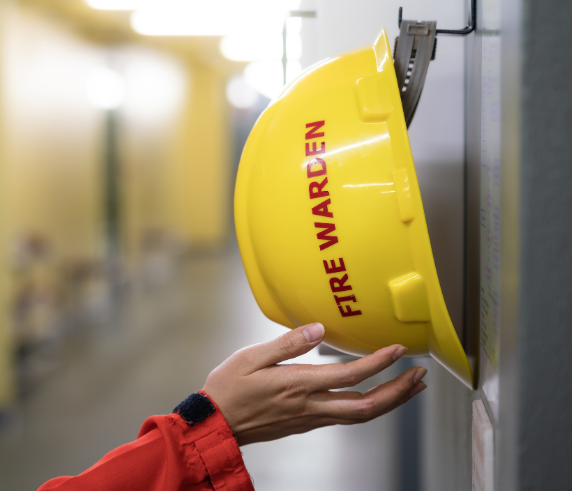
check hereArea wardens typically put on yellow. Initial aiders often use eco-friendly. An interactions policeman may make use of red or another high-contrast colour. If you choose a bespoke plan, post the legend at crucial places and include it in induction so new beginners learn it rapidly. An affordable vest that fits over winter season jackets and hi-vis is better than a perfect system no one remembers.
Roles Inside an Emergency situation Control Organisation
The chief warden sits at the functional pinnacle. They examine the occasion, make a decision whether to evacuate, organize a partial emptying, or shelter in place, and then work with the action. The chief warden responsibilities consist of alloting tasks, accounting for people, liaising with very first -responders, and staying calm on the radio. Chief fire warden duties also encompass pre-event planning: making sure the ECO lineup is present, drills are arranged, and lessons get actioned.
Deputy and interactions duties maintain the chief warden focused. An interactions officer runs the radio net, logs time-stamped updates, and pushes clear instructions in plain language. In a fire, secs really feel slippery. Accurate log access provide investigators and security groups a breadcrumb route for review.
Wardens manage their zones, report what they see, and control activity. They try to find individuals that freeze, who head to the wrong leave, or who attempt to finish a job prior to leaving. They also do the unglamorous but crucial job of examining facilities, storerooms, and stairwells for stragglers.
How to Build Trustworthy Warden Capability
A warden course produces a beginning point, but efficiency boosts with repeating and thoughtful practice. The most effective programs do four points well.
First, they use site-specific situations, not common ones. If your structure has two interconnected stairwells and a roofing refuge, method moving individuals when one stairwell fills with smoke and the fire panel sends conflicting signals.
Second, they revitalize frequently. Memory dulls. New works with sign up with. Layouts modification. Quarterly or semiannual drills maintain the ECO cohesive.
Third, they determine something substantial. Time to first move completion, time to all-clear at setting up, accountability percentage, radio clarity, and debrief activity closure. Numbers focus attention.
Fourth, they produce emotional safety and security in debriefs. If wardens fear blame, they will sugarcoat problems. Real improvement comes from honest, particular feedback. A chief emergency warden who many thanks people for increasing hard factors will get better intel next time.
Communications That Stand up Under Pressure
Radio technique can make or break an emptying. A channel blocked with chatter and replication pressures the chief warden to think. Maintain messages short, factual, and structured. A useful pattern is place, problem, action. As an example: Level 8 West, heavy smoke in copy area, relocating 30 staff via south stairways. Avoid jargon. If unsure, state the danger and what you need.
Some websites screw a phone bridge onto the radio net, so outside occurrence groups can pay attention without transmitting. That can assist, however just if the key network remains tidy. In a significant occasion, limit transmissions to wardens and the interactions policeman. Spectators on radios, even with excellent intentions, add noise.
Practical Circumstances You Must Drill
Scenario-based technique is where training becomes muscle memory. Right here are three that repetitively disclose spaces, along with compromises and tips.
A smoldering electric fire on a mid-rise workplace degree. The alarm triggers, smoke is present yet exposure continues to be great. The lure is to grab an extinguisher and take a crack at. Instruct wardens to gauge the danger prior to coming close to. If the resource is vague, or smoke is enlarging rapidly, do not fiddle with breakers or equipment. Start emptying, close doors to slow down smoke spread, and report the origin location precisely if understood. The trade-off is speed versus assurance. You never want to postpone evacuation while searching for excellent clarity.
A damaged alarm system throughout peak rain. The fire panel reveals a fault on Level 4. You hear no local alarm tone, yet the panel rises after a few seconds. Drills must show wardens to validate conditions without ignoring the panel. Send one warden to examine the shown area while preparing for a partial discharge. If water breach is the offender, you may locate a damp detector or a triggered circulation button. Maintain the setting up factor selection versatile. If the default assembly is waterlogged or unsafe, relocate to a second area and inform people why, merely and clearly.
A mobility-assisted discharge with a disabled lift. Lifts commonly can not be made use of. Identify sanctuary points early, such as secured stairwells or fire-isolated lobbies, and discover their fire score. Coordinate with very first -responders for assisted evacuation. Practicing motion with mobility devices, pedestrians, and people that make use of oxygen desensitises the group and surfaces the slow-moving factors. An additional warden, pre-assigned to mobility assistance, reduces hold-ups in the stairwell.
These situations test judgment, not simply memorizing memory. Include sound. Imitate radio failures, a warden course missing out on warden, or a second alarm on another level. Stress screening in practice develops poise under pressure.
Extinguishers, Fire Blankets, and When Not to Utilize Them
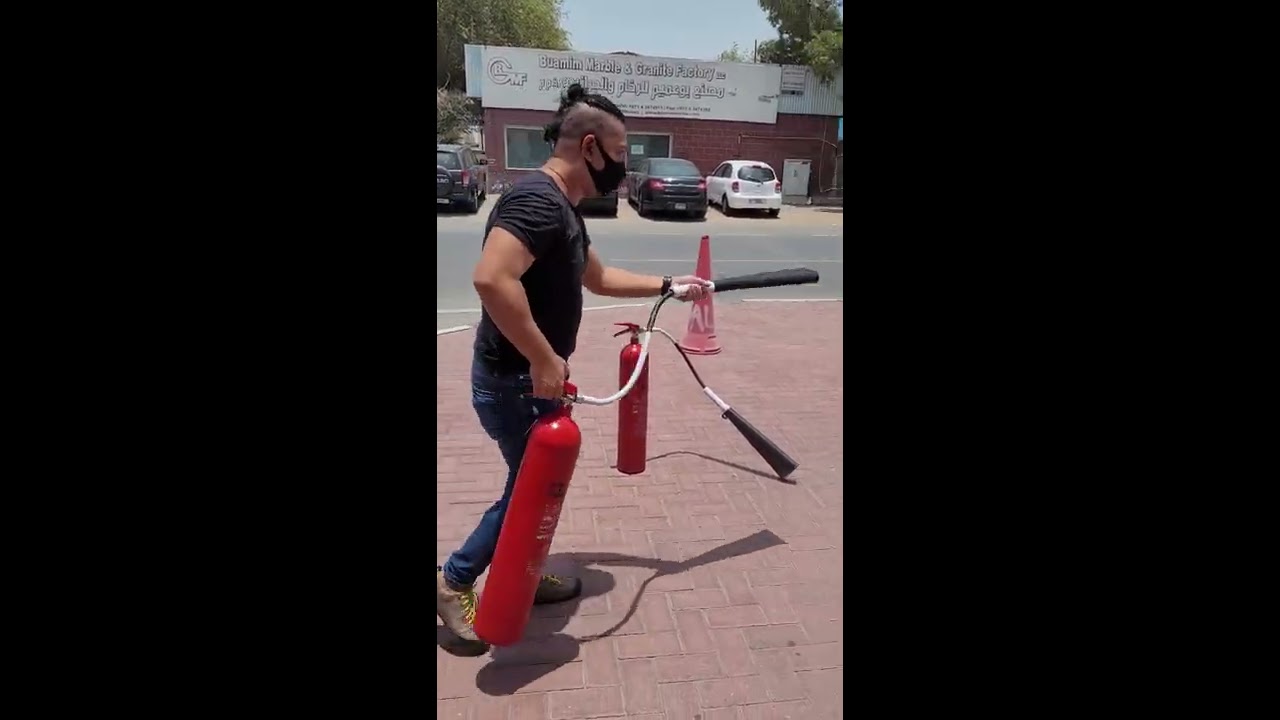
Many fire warden courses include sensible extinguisher use. That is valuable, offered the limits are clear. Fire grows fast, and a little, workable flame can come to be a large one in under a minute, especially with offered gas like paper, plastics, or solvents.
Teach wardens to consider 3 variables before trying to extinguish: the size and type of fire, a clear egress path, and personal safety devices. If any one of those is compromised, go back and prioritise emptying. For electric tools, a completely dry chemical or CO2 unit is ideal, but residual warm can reignite. After a knockdown, isolate power if trained and risk-free. Never ever go after a fire right into a corner where your getaway is cut off.
Fire coverings suit kitchen area oil fires in tiny frying pans, not deep fryers or commercial hoods. If your site has a cooking area, do a hands-on trial with a regulated gear. Theory alone cultivates overconfidence.
Accounting for People Without Slowing Down the Flow
Perfect roll telephone calls are uncommon in liquid offices. Service providers check in and out. Site visitors skip the kiosk when a conference runs long. Warden groups need a sensible method that balances rate and accountability.
Many sites use a crossbreed system: digital accessibility logs plus warden head counts and manager verifications at the assembly location. If a person is unaccounted for, you need 2 checks. First, validate they got on site at the time of the occasion. Second, confirm they are not currently at a different setting up point. Avoid sending out wardens back right into a building to try to find a bachelor without very first responders aligned. Instead, offer responders with last known location, most likely work area, and movement status, after that sustain their entry.
A chief warden that announces routine updates at assembly lowers anxiety. Short, truthful messages work best: We have 2 people not yet marked off, responders are searching Degree 6 East, and we will update in three mins. Silence types speculation and a drift back into the building.
Common Pitfalls and How to Prevent Them
I have actually debriefed dozens of drills and real occasions. The mistakes repeat, however they are fixable.
Over-reliance on the principal. When the chief warden ends up being a switchboard, choices slow. Delegate. Allow the communications police officer run the log and radio, and ask specific wardens for standing on designated checks. The chief should keep an eye on the wide image and determine, not micromanage.
Unfamiliarity with website peculiarities. Refits modification stairwell leaves. Safety and security adds a turnstile that obstructs very easy egress. Stroll your areas quarterly. Update zone maps and picture changes.
Mixed messages during discharges. If flooring wardens inform team to sit tight while the announces a discharge, individuals ice up. Use a solitary channel of truth, preferably the , with radio updates channelled through the communications officer.
Underestimating smoke. People tolerate light smoke longer than they should. Train wardens to look for signs like inflammation, coughing, or a modification in ambient temperature. Shut doors behind you. Hold a wet cloth to your face if needed, however do not let that end up being a factor to linger.
Poor wheelchair planning. If no clear plan exists for those who can not use stairs, evacuation stalls. Pre-assign a friend system. Determine haven areas. Maintain a discharge chair where it will certainly be used, not locked away.
The Chief Warden's Judgment Call
Chief fire warden duties sharpen currently of choice. Do you leave the entire structure or a solitary zone initially? Do you hold individuals in sanctuary since external conditions are even worse? There is no formula for this, yet there are anchors.
Start with the life safety hierarchy: relocate individuals out of prompt danger, then regulate the event if safe. Seek verification, not consensus. One warden's clear record from the scene outweighs 3 speculative comments. If the circumstance doubts yet potentially getting worse, initiate discharge early. Remorses are less costly outside the structure than inside.
If very first responders take command on arrival, convey what you know in 30 seconds: occasion type, affected levels, headcount status, threats such as gas cylinders or web server rooms, and any type of caught or mobility-impaired individuals with last known locations. Then move to support. A chief warden who keeps the ECO consistent, preserves the headcount, and avoids re-entry provides responders a clean operating picture.
Site-Specific Layers: Beyond the Office
A stockroom includes forklifts, battery billing terminals, racking, and occasionally flammable liquids. A lab brings chemical storage space, fume hoods, cryogenics, and waste partition. Healthcare centers need to combine evacuation with patient safety and security, including life assistance factors to consider. The warden training for these atmospheres should fold up in neighborhood hazards.
In a warehouse, a spill reaction plan sits alongside emptying preparation. Wardens have to recognize just how to isolate the area and course people away from wind direction if vapours exist. In a laboratory, ensure safety and security data sheets come which the chief warden can orient responders on crucial materials. In healthcare, method horizontal emptyings, where clients are moved into an adjacent fire compartment instead of down numerous floors.
The point is not to memorize every edge instance. It is to establish principles and outfit wardens with the regional knowledge to use them quickly.
Drills That Individuals Take Seriously
People roll their eyes at drills when they seem like theatre. You can alter that by making drills short, actual, and purposeful.
Announce the quarter yet not the day. Utilize a real alarm system tone, not a respectful message. Infuse a basic complication, like a blocked leave or a warden no-show, and afterwards debrief what took place. If you discover an issue, repair it and run a short targeted drill within 2 weeks. That closing loop is what convinces team your program matters.
When numbers help, share them. If evacuation time drops from 8 minutes to 5 mins throughout two quarters, state so. If responsibility improves, highlight it. Development develops buy-in.
Hats, Safety helmets, and Culture
People frequently ask about fire warden hat colour and whether it really matters. It does, because culture is shaped by little signals. A white safety helmet for the chief warden, yellow for wardens, and eco-friendly for first aiders might appear superficial, yet in smoke or anxiety, colour and clear tags punctured. If you do not use headgears, use high-contrast vests with large back and front print. Use them during drills, not just actual occasions, so personnel learn what to look for.
Choosing a Service provider and Establishing Expectations
Not all training is equal. A fire warden course that leaves you with unclear slides and no technique does little for an emergency. When selecting a supplier for PUAFER005 or a PUAFER006 course, search for trainers that inquire about your site before they educate, who adjust examples to your format, and who insist on online drills. Ask just how they analyze capability. Ask how they incorporate your occurrence history. If they can not answer, maintain looking.
The best providers treat you like a partner, not a booking. They urge chief fire warden training that includes decision-making drills, interactions training, and practiced handovers to very first responders. They need to additionally aid you map out refresh cycles and encourage on documentation that takes on audits.
A Lean Checklist That Functions Under Stress
Keep one checklist per function. Make it short, understandable, and laminated flooring. Stow it with the vest or hat so it is constantly at hand.

- Chief warden: verify alarm system kind, make a decision discharge method, allocate wardens to zones, trigger announcements, liaise with -responders, receive headcount updates, protect against re-entry, document timeline. Area warden: don vest, move area including amenities and storage places, close doors, report problems and headcounts, straight to deal with leave, assist flexibility as appointed, proceed to assembly, upgrade principal on completion.
If your site uses a communications policeman, provide a concise log layout with time, source, message, and activity. Clarity beats brains throughout an event.
Evidence, Not Hype
The point of warden training is not to produce heroes. It is to create a system that shaves minutes off evacuation times, reduces confusion, and maintains people safe. Action it. Review it. Improve it. When an actual event happens, the difference between a shuffling group and an organized circulation often boils down to whether your ECO exercised for the building you in fact inhabit, not a common one from a textbook.
For those advancing through formal training, PUAFER005 builds the operational base, PUAFER006 creates management, and both benefit from repetition. Add website nuance, keep interactions clean, and equip your wardens to clear up choices with imperfect information. That is the actual examination they will certainly face.
A Short Situation Walkthrough: From Alarm to All-Clear
You are the chief warden in a 12-level mixed-use building. At 10:42, the fire panel indicates an alarm system on Level 7 East. You launch the : Interest please, this is the chief warden. We have an alarm on Degree 7 East. Wardens, record condition. All owners on Degree 7, prepare to evacuate using the eastern stairwell. You appoint your communications police officer to collect updates. A Degree 7 warden records noticeable smoke near the kitchen space, most likely electric. You intensify to a full Degree 7 emptying and prepare Level 8 for prospective motion if smoke migrates upward.
By 10:45, smoke is much heavier. You extend discharge to Level 8 as a precaution, using the west stairwell to separate flows. You instruct wardens to shut doors behind them. The communications police officer logs each area's sweep completion. A single person with a knee injury on Degree 8 requires help. A warden accompanies them at a measured rate down the west stairways while another warden darkness to maintain the team moving.
At 10:49, firemans get here. Your handover is crisp: Alarm system originated Degree 7 East kitchenette, smoke development noted, Degrees 7 and 8 evacuated, one assisted evacuation in progress down the west stairs, no hazardous products reported on those degrees, 2 people not yet made up from Level 7 per gain access to logs, likely off-site however unofficial. Responders enter via eastern stairways to inspect the beginning and reset systems. You keep individuals at setting up and give updates every three minutes.
By 11:02, responders report the resource as a stopped working microwave capacitor. Fire out, smoke clearing up. You hold re-entry till they confirm air high quality and the panel reset. At 11:12, with the all-clear from responders, you present a controlled re-entry by floors, starting with reduced floorings to stop crowding. After team return, you run a 10-minute debrief with wardens, capture the moment stamps, and appoint actions: kitchen space appliance audit, stairwell signage update near Degree 8, and a concentrated refresher on movement help. A week later on, you complete those actions and run a short drill to validate the fixes.
That is the cycle succeeded: discover, choose, act, find out, and improve.
Final Thoughts
Wardens do not require capes. They require clarity, practice, and tools that function under pressure. A self-displined program improved PUAFER005 for functional readiness and PUAFER006 for management, supported by realistic drills and practical tools, turns a dangerous day into a convenient one. If you lead the program, deal with every drill as a possibility to discover something brand-new about your structure and your team. If you function as a warden, recognize your location, keep your head, and keep in mind that moving individuals securely is the win. The remainder is detail.
Take your leadership in workplace safety to the next level with the nationally recognised PUAFER006 Chief Warden Training. Designed for Chief and Deputy Fire Wardens, this face-to-face 3-hour course teaches critical skills: coordinating evacuations, leading a warden team, making decisions under pressure, and liaising with emergency services. Course cost is generally AUD $130 per person for public sessions. Held in multiple locations including Brisbane CBD (Queen Street), North Hobart, Adelaide, and more across Queensland such as Gold Coast, Sunshine Coast, Toowoomba, Cairns, Ipswich, Logan, Chermside, etc.
If you’ve been appointed as a Chief or Deputy Fire Warden at your workplace, the PUAFER006 – Chief Warden Training is designed to give you the confidence and skills to take charge when it matters most. This nationally accredited course goes beyond the basics of emergency response, teaching you how to coordinate evacuations, lead and direct your warden team, make quick decisions under pressure, and effectively communicate with emergency services. Delivered face-to-face in just 3 hours, the training is practical, engaging, and focused on real-world workplace scenarios. You’ll walk away knowing exactly what to do when an emergency unfolds—and you’ll receive your certificate the same day you complete the course. With training available across Australia—including Brisbane CBD (Queen Street), North Hobart, Adelaide, Gold Coast, Sunshine Coast, Toowoomba, Cairns, Ipswich, Logan, Chermside and more—it’s easy to find a location near you. At just $130 per person, this course is an affordable way to make sure your workplace is compliant with safety requirements while also giving you peace of mind that you can step up and lead when it counts.